Professional 3D Company Services - Advanced Additive Manufacturing Solutions

All Categories

3d company

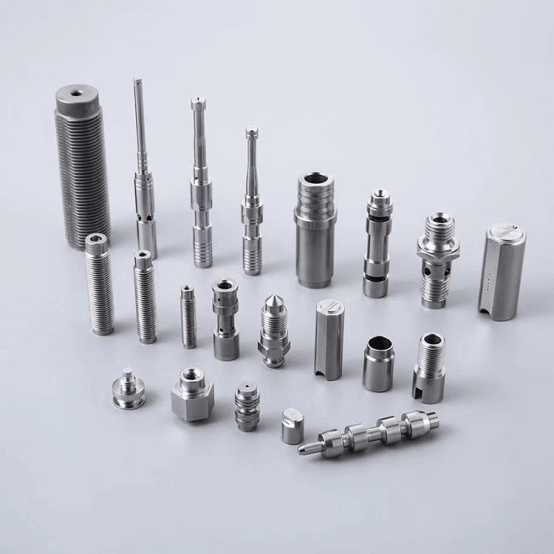
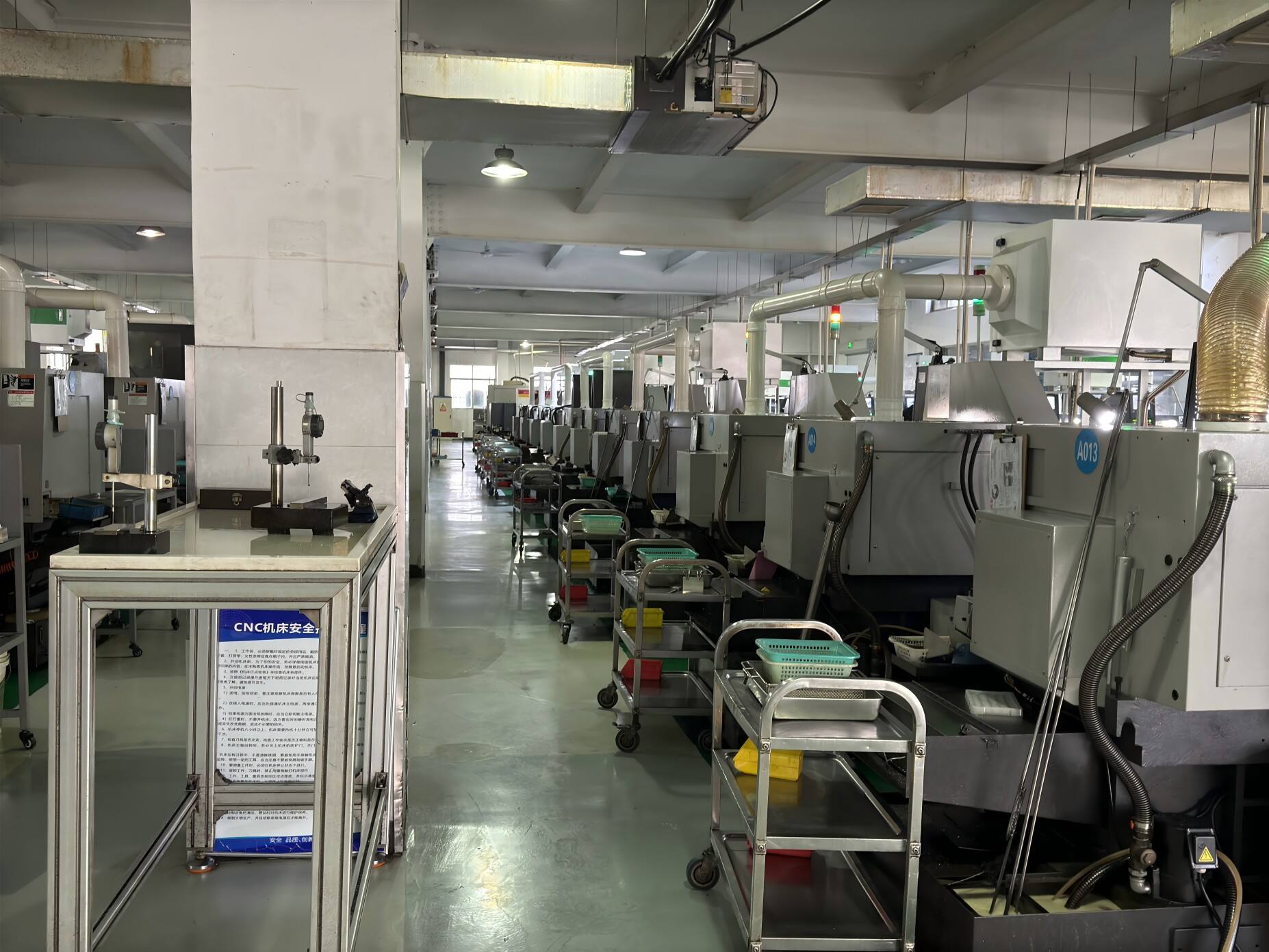
A 3d company represents the forefront of digital manufacturing and design innovation, specializing in three-dimensional printing technologies that transform conceptual ideas into tangible products. These organizations operate sophisticated additive manufacturing systems that build objects layer by layer using various materials including plastics, metals, ceramics, and composite substances. The core functionality of a 3d company encompasses rapid prototyping services, custom manufacturing solutions, and product development consultation for industries ranging from aerospace and automotive to healthcare and consumer goods. Modern 3d companies utilize advanced computer-aided design software integrated with precision printing equipment to deliver exceptional accuracy and repeatability. Their technological infrastructure typically includes multiple printing platforms such as fused deposition modeling, stereolithography, selective laser sintering, and direct metal laser sintering systems. Quality control measures incorporate dimensional inspection tools, surface finish analysis, and material property testing to ensure products meet stringent specifications. The applications served by a 3d company extend across numerous sectors including medical device production, architectural modeling, educational tools, jewelry creation, and industrial component manufacturing. Many 3d companies offer additional services such as design optimization, material selection guidance, post-processing finishing, and supply chain integration support. Their expertise enables clients to reduce traditional manufacturing constraints, accelerate time-to-market schedules, and explore innovative design possibilities that conventional production methods cannot achieve. The collaborative approach adopted by leading 3d companies involves working closely with engineering teams, designers, and product managers to understand specific requirements and deliver customized solutions that enhance overall project success and market competitiveness.
Popular Products

The primary advantage of partnering with a professional 3d company lies in the dramatic reduction of product development timelines and associated costs. Traditional manufacturing often requires expensive tooling, lengthy setup processes, and minimum order quantities that can delay projects for months. A 3d company eliminates these barriers by producing functional prototypes and end-use parts directly from digital files within days or even hours. This rapid turnaround capability allows businesses to iterate designs quickly, test multiple concepts simultaneously, and respond to market feedback with unprecedented agility. Cost savings become particularly significant for low-volume production runs, complex geometries, and customized products where conventional manufacturing would be prohibitively expensive. Another substantial benefit involves the design freedom that 3d company services provide to creative teams. Unlike traditional subtractive manufacturing processes that impose geometric limitations, additive manufacturing enables the creation of intricate internal structures, organic shapes, and integrated assemblies that would be impossible or extremely costly to produce using conventional methods. This design liberation encourages innovation and allows engineers to optimize products for performance rather than manufacturing constraints. Quality consistency represents another crucial advantage when working with an established 3d company. Professional operators maintain calibrated equipment, implement rigorous process controls, and utilize certified materials to ensure reliable results across production batches. Their expertise in material science helps clients select optimal substances for specific applications, whether requiring high strength, chemical resistance, biocompatibility, or specialized thermal properties. The environmental benefits of 3d company services also appeal to sustainability-focused organizations. Additive manufacturing generates minimal waste compared to traditional machining processes, uses materials efficiently, and enables local production that reduces transportation requirements. Many 3d companies offer recycled and bio-based materials, further supporting environmental objectives while maintaining product performance standards.

Latest News

The cleaning of precision components is crucial to ensuring their smoothness and functionality.

29

Nov

The cleaning of precision components is crucial to ensuring their smoothness and functionality.

View More
Methods to Improve the Efficiency of Precision Component Processing

29

Nov

Methods to Improve the Efficiency of Precision Component Processing

View More
Kindness Warms the Heart, Responsibility in Action

29

Nov

Kindness Warms the Heart, Responsibility in Action

View More
Design Knowledge for Shaft Pin Components

29

Nov

Design Knowledge for Shaft Pin Components

View More

Get a Free Quote

Our representative will contact you soon.
Email
Name
Company Name
WhatsApp
Message
0/1000

3d company

Advanced Multi-Material Printing Capabilities

Advanced Multi-Material Printing Capabilities

Leading 3d companies distinguish themselves through sophisticated multi-material printing technologies that enable the simultaneous use of different substances within a single build process. This revolutionary capability allows manufacturers to create products with varying mechanical properties, colors, and functional characteristics integrated seamlessly into one component. For example, a 3d company can produce a medical device that combines rigid structural elements with flexible sealing materials, eliminating the need for separate manufacturing steps and assembly processes. The precision control systems employed by professional 3d companies ensure accurate material placement and proper bonding between different substances, resulting in products that perform reliably under demanding conditions. This technology proves particularly valuable in automotive applications where components must exhibit different properties in specific regions, such as impact-resistant areas combined with lightweight sections for optimal performance and fuel efficiency. The material selection available through experienced 3d companies continues expanding to include high-performance polymers, metal alloys, ceramics, and composite materials that meet stringent industry standards for aerospace, medical, and industrial applications. Quality assurance protocols implemented by reputable 3d companies include comprehensive testing of material compatibility, layer adhesion strength, and long-term durability to ensure products maintain their intended properties throughout their operational lifespan. The ability to combine materials with different thermal expansion coefficients, chemical resistance levels, and mechanical strengths within a single printed part opens new possibilities for product designers and enables the creation of previously impossible geometries and functional integrations.
Scalable Production Solutions from Prototype to Manufacturing

Scalable Production Solutions from Prototype to Manufacturing

A professional 3d company offers seamless scalability that bridges the gap between initial concept development and full-scale production, providing businesses with flexible manufacturing solutions that adapt to changing demand levels and market conditions. This scalability advantage begins during the prototyping phase where rapid iteration cycles allow design teams to refine products quickly based on testing results and stakeholder feedback. As projects progress toward commercialization, the 3d company can increase production volumes gradually while maintaining consistent quality standards and cost-effectiveness. The distributed manufacturing model adopted by many 3d companies enables them to allocate production across multiple facilities and equipment platforms to meet varying volume requirements efficiently. For businesses launching new products, this approach eliminates the substantial upfront investments typically required for traditional manufacturing tooling and setup costs. The flexibility extends to material selection and finishing options, allowing companies to optimize specifications for different market segments or regulatory requirements without significant retooling expenses. Professional 3d companies maintain extensive equipment portfolios that include both high-speed production systems for volume manufacturing and precision instruments for specialized applications requiring exceptional accuracy or surface finish quality. Their production planning software integrates with client supply chain systems to provide real-time visibility into order status, delivery schedules, and inventory levels. This transparency enables better coordination with downstream assembly operations and customer fulfillment processes. The ability to modify designs and implement engineering changes quickly throughout the production lifecycle provides significant competitive advantages in dynamic markets where customer preferences and regulatory requirements evolve continuously.
Comprehensive Design Optimization and Engineering Support

Comprehensive Design Optimization and Engineering Support

Distinguished 3d companies provide extensive design optimization services that maximize the benefits of additive manufacturing while ensuring products meet performance requirements and cost objectives. Their engineering teams possess deep expertise in design for additive manufacturing principles, enabling them to recommend structural modifications that improve strength-to-weight ratios, reduce material consumption, and enhance manufacturing efficiency. This collaborative approach begins with thorough analysis of existing designs to identify opportunities for consolidation, where multiple components can be integrated into single printed parts, reducing assembly complexity and potential failure points. The topology optimization tools employed by advanced 3d companies utilize sophisticated algorithms to determine optimal material distribution patterns that maintain structural integrity while minimizing weight and material usage. These capabilities prove particularly valuable in aerospace and automotive applications where weight reduction directly impacts fuel efficiency and performance metrics. Professional 3d companies also provide comprehensive design validation services including finite element analysis, computational fluid dynamics modeling, and thermal simulation to predict product behavior under various operating conditions before physical production begins. Their material science expertise guides clients through the selection process, considering factors such as mechanical properties, environmental resistance, regulatory compliance requirements, and long-term performance characteristics. The design optimization process extends to support structure minimization and post-processing requirements, ensuring that printed parts can be produced efficiently while meeting surface finish and dimensional accuracy specifications. Many 3d companies maintain certified quality management systems that comply with industry standards such as ISO 9001, AS9100 for aerospace, and ISO 13485 for medical devices, providing clients with confidence that their products will meet stringent regulatory requirements and performance expectations throughout their operational lifespan.