Professional Aluminium Milling Service - Precision CNC Machining Solutions

All Categories

aluminium milling service

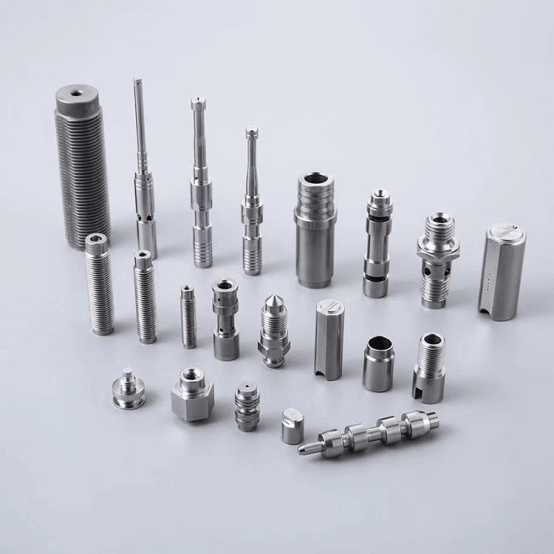
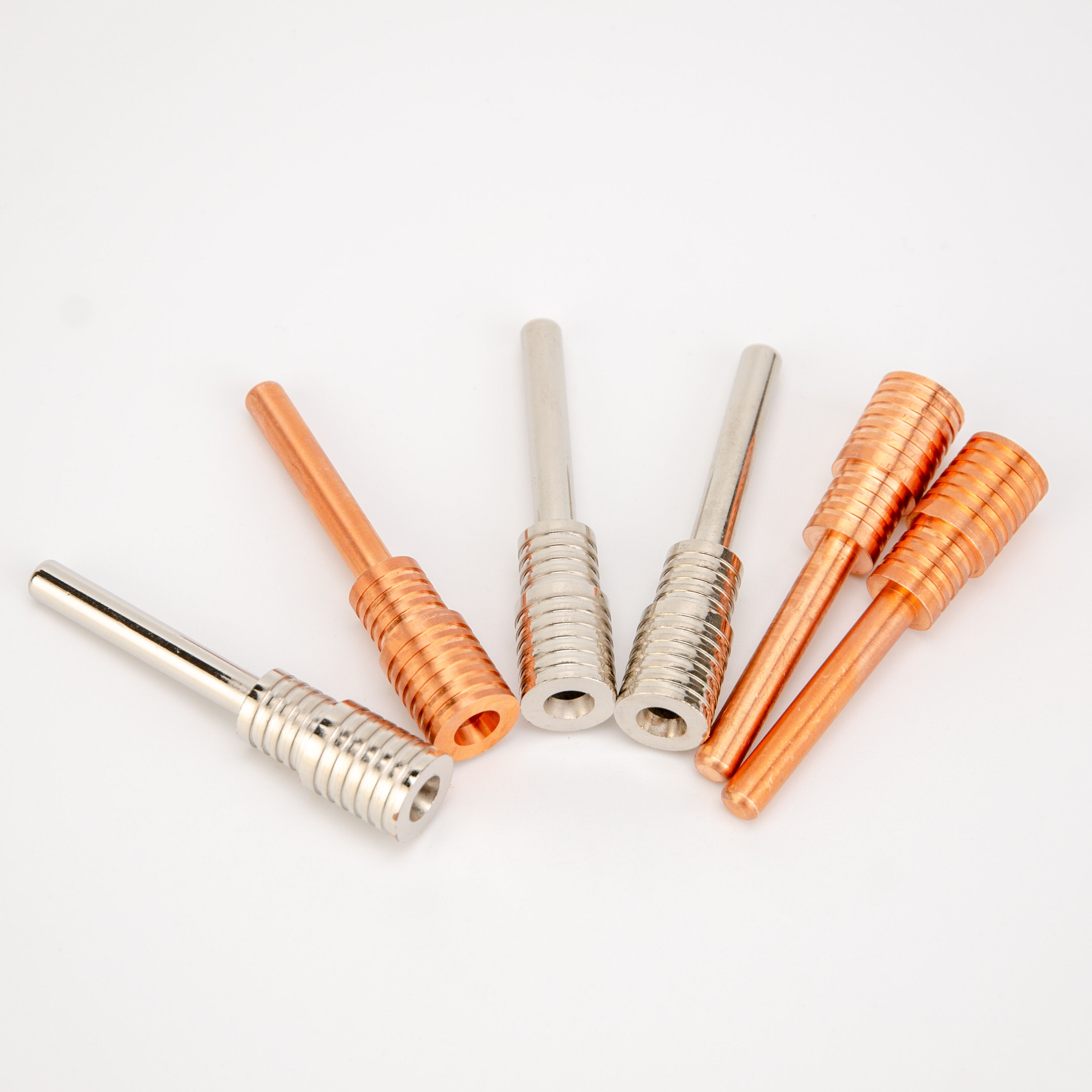
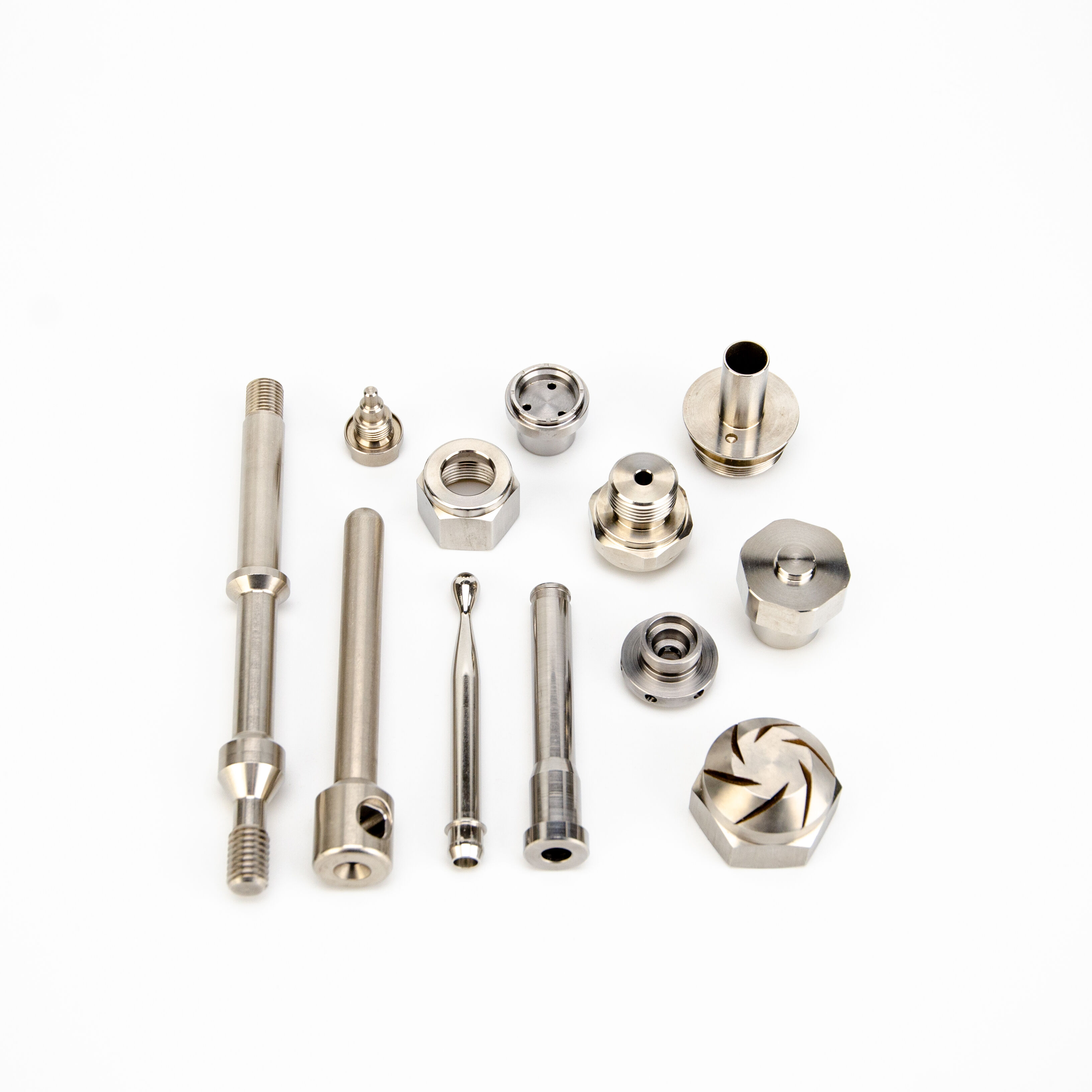
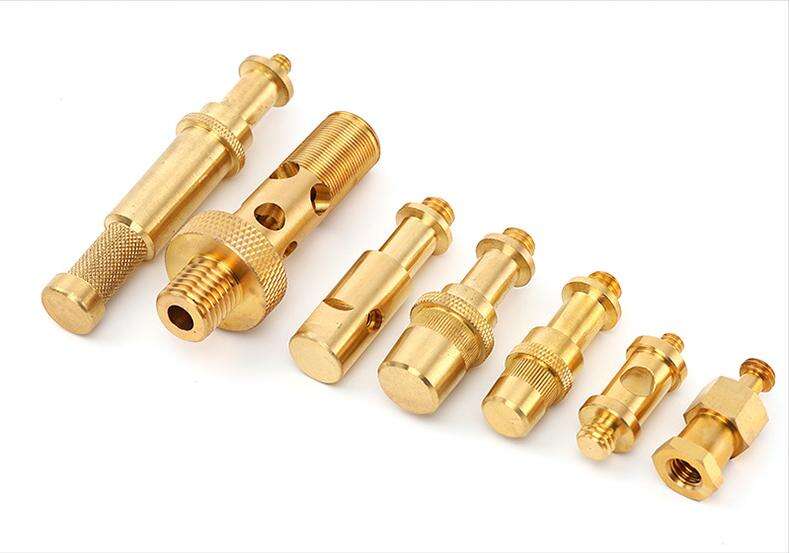
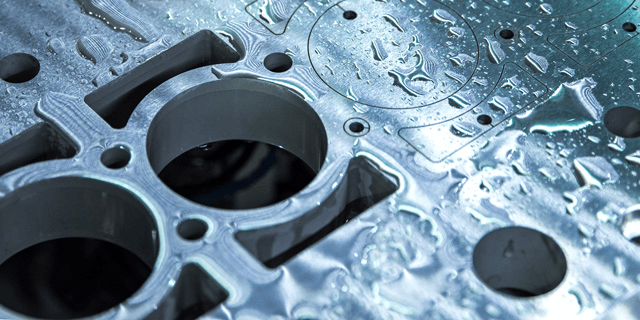
Aluminium milling service represents a sophisticated manufacturing process that utilizes computer-controlled cutting tools to precisely shape and form aluminium components according to exact specifications. This advanced machining technique employs rotating cutting instruments to remove material from aluminium workpieces, creating complex geometries, intricate details, and smooth surface finishes that meet stringent quality standards. The aluminium milling service combines state-of-the-art CNC machinery with expert technical knowledge to deliver components that satisfy diverse industrial requirements across multiple sectors. Modern aluminium milling service operations feature multi-axis machining centers capable of executing simultaneous cutting operations from various angles, enabling the production of sophisticated three-dimensional shapes and complex internal features. These systems incorporate advanced tooling technologies, including carbide end mills, face mills, and specialized cutting inserts designed specifically for aluminium processing. The technological features of aluminium milling service include real-time monitoring systems that ensure consistent quality throughout production runs, automated tool changers that minimize downtime, and precision measurement systems that verify dimensional accuracy within tight tolerances. Temperature control mechanisms prevent thermal distortion during machining, while advanced chip evacuation systems maintain clean cutting conditions. The aluminium milling service finds extensive applications across aerospace manufacturing, where lightweight yet durable components are essential for aircraft performance. Automotive industries rely on this service for engine blocks, transmission housings, and structural elements that require excellent strength-to-weight ratios. Electronics manufacturers utilize aluminium milling service for heat sinks, enclosures, and mounting brackets that provide thermal management solutions. Medical device production benefits from the biocompatible properties of milled aluminium components, while architectural applications leverage the corrosion resistance and aesthetic appeal of precisely machined aluminium elements. The versatility of aluminium milling service extends to prototype development, custom tooling fabrication, and specialized industrial equipment manufacturing.
Popular Products

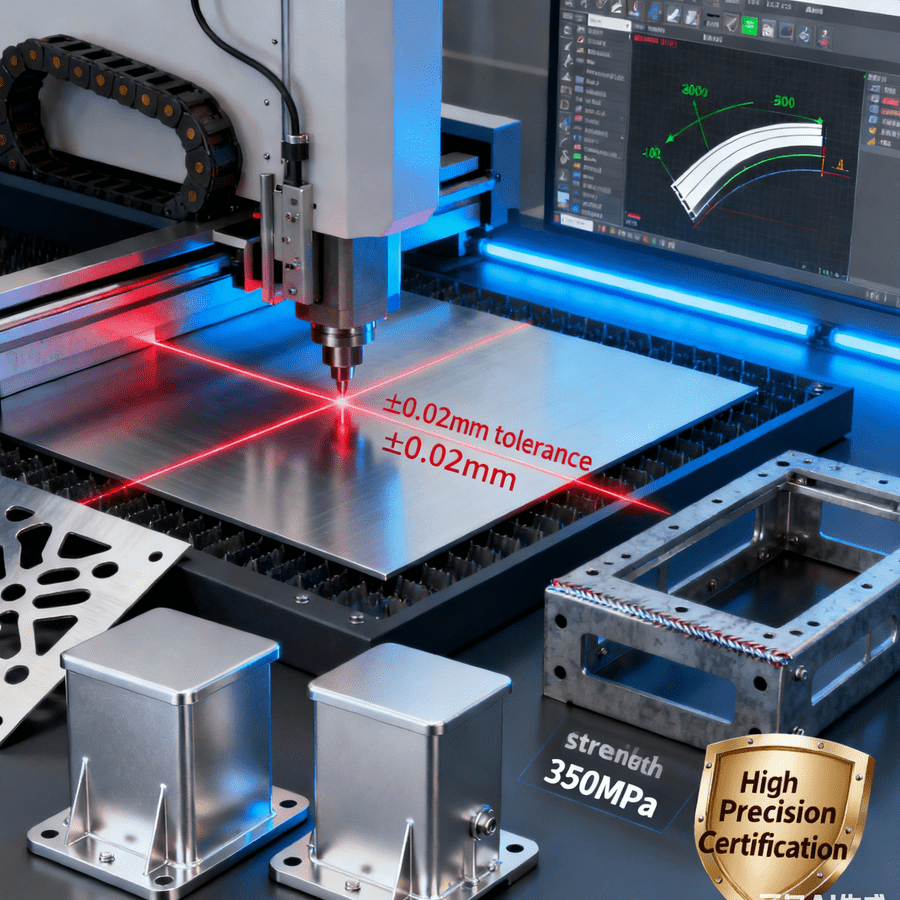
The aluminium milling service offers exceptional precision that consistently delivers components within tolerances as tight as plus or minus 0.001 inches, ensuring perfect fit and function in critical applications. This remarkable accuracy eliminates the need for secondary machining operations, reducing production time and costs while maintaining superior quality standards. Manufacturing teams achieve faster turnaround times through the aluminium milling service, as modern CNC equipment operates continuously with minimal operator intervention, processing multiple parts simultaneously across different workstations. The speed advantage extends beyond individual component production, encompassing reduced setup times and streamlined workflow management that accelerates overall project completion. Cost effectiveness represents another significant benefit of aluminium milling service, as the process minimizes material waste through optimized cutting paths and efficient nesting strategies. The ability to machine complex features in single setups eliminates multiple handling operations, reducing labor costs and potential errors while maximizing material utilization. Quality consistency remains unmatched with aluminium milling service, as computer-controlled operations eliminate human variability factors that can affect traditional machining methods. Each component emerges with identical specifications, surface finishes, and dimensional characteristics, ensuring reliable performance across entire production batches. The aluminium milling service accommodates diverse design requirements without requiring expensive tooling changes, offering remarkable flexibility for both prototype development and production runs. Engineers can modify designs quickly through software updates, enabling rapid iteration cycles that accelerate product development timelines. Material properties improve through proper aluminium milling service techniques, as controlled cutting conditions preserve the inherent strength characteristics of aluminium alloys while achieving desired surface textures. The process maintains material integrity throughout machining operations, preventing stress concentrations or micro-fractures that could compromise component performance. Scalability advantages allow the aluminium milling service to handle projects ranging from single prototypes to large production quantities without significant equipment changes. This versatility makes the service ideal for businesses experiencing fluctuating demand patterns or those requiring quick response capabilities for urgent projects. Environmental benefits emerge from the aluminium milling service through reduced energy consumption compared to alternative manufacturing methods, while the recyclable nature of aluminium chips and waste materials supports sustainable manufacturing practices.

Tips And Tricks

The cleaning of precision components is crucial to ensuring their smoothness and functionality.

29

Nov

The cleaning of precision components is crucial to ensuring their smoothness and functionality.

View More
Methods to Improve the Efficiency of Precision Component Processing

29

Nov

Methods to Improve the Efficiency of Precision Component Processing

View More
Kindness Warms the Heart, Responsibility in Action

29

Nov

Kindness Warms the Heart, Responsibility in Action

View More
Design Knowledge for Shaft Pin Components

29

Nov

Design Knowledge for Shaft Pin Components

View More

Get a Free Quote

Our representative will contact you soon.
Email
Name
Company Name
WhatsApp
Message
0/1000

aluminium milling service

Advanced Multi-Axis Machining Capabilities

Advanced Multi-Axis Machining Capabilities

The aluminium milling service incorporates cutting-edge multi-axis machining technology that revolutionizes component manufacturing through simultaneous five-axis cutting operations. This sophisticated capability enables machinists to access workpiece surfaces from multiple angles during single setups, eliminating the need for multiple fixtures and repositioning operations that traditionally consume valuable production time. The advanced multi-axis functionality of aluminium milling service allows for the creation of complex geometries that would be impossible or extremely difficult to achieve through conventional three-axis machining methods. Components featuring undercuts, compound angles, intricate internal passages, and sculptured surfaces can be manufactured with exceptional precision and surface quality. The technology behind this aluminium milling service feature utilizes sophisticated interpolation algorithms that coordinate the simultaneous movement of multiple machine axes, ensuring smooth tool paths and consistent surface finishes across complex three-dimensional forms. This coordination capability proves particularly valuable when manufacturing aerospace components, medical implants, and automotive parts that require precise geometric relationships between multiple features. The multi-axis aluminium milling service significantly reduces setup time and handling operations, as complex parts can often be completed in single operations rather than requiring multiple setups with different orientations. This consolidation of operations not only improves efficiency but also enhances accuracy by eliminating accumulated tolerances that can occur when components are repositioned multiple times during manufacturing. Tool life improvements represent another substantial benefit of multi-axis aluminium milling service, as the ability to maintain optimal cutting angles throughout machining operations reduces tool wear and extends cutting tool longevity. The system automatically adjusts tool orientation to maintain ideal cutting conditions, preventing excessive tool deflection and ensuring consistent chip formation that promotes smooth cutting action. Quality improvements achieved through multi-axis aluminium milling service include superior surface finishes, reduced vibration marks, and elimination of witness lines that can occur at setup boundaries in conventional machining operations.
Precision Temperature Control Systems

Precision Temperature Control Systems

Temperature control represents a critical aspect of aluminium milling service that directly impacts component quality, dimensional accuracy, and surface finish characteristics. Advanced thermal management systems integrated into modern aluminium milling service operations maintain optimal cutting temperatures throughout machining operations, preventing thermal expansion that could compromise dimensional tolerances. The sophisticated temperature control mechanisms employed in aluminium milling service include high-pressure coolant delivery systems, oil mist lubrication, and chilled air systems that work together to maintain consistent workpiece and cutting tool temperatures. These systems prove essential when machining thin-walled aluminium components that are particularly susceptible to thermal distortion, ensuring that finished parts maintain precise dimensions and geometric relationships. The aluminium milling service temperature control technology extends beyond simple cooling applications, incorporating predictive algorithms that anticipate thermal loads based on cutting parameters, material properties, and component geometry. This proactive approach enables the system to adjust coolant flow rates, temperatures, and delivery methods before thermal issues can affect machining quality. Specialized temperature monitoring equipment continuously tracks critical temperatures throughout the aluminium milling service process, providing real-time feedback that enables immediate adjustments when thermal conditions begin to deviate from optimal ranges. This monitoring capability proves particularly valuable during extended machining cycles where thermal accumulation could gradually affect component dimensions. The benefits of precise temperature control in aluminium milling service extend to tool life optimization, as controlled cutting temperatures prevent excessive tool wear and thermal shocking that can cause premature tool failure. Consistent temperature management ensures that cutting tools maintain their sharp cutting edges longer, reducing tool change frequency and associated downtime. Surface finish improvements result from proper temperature control during aluminium milling service operations, as thermal stability prevents the formation of built-up edge conditions that can create rough surface textures. The controlled thermal environment promotes clean chip formation and prevents material welding to cutting tools that could transfer to workpiece surfaces and compromise finish quality.
Integrated Quality Assurance Systems

Integrated Quality Assurance Systems

The aluminium milling service incorporates comprehensive quality assurance systems that monitor, measure, and verify component specifications throughout the entire manufacturing process. These integrated systems combine advanced metrology equipment, statistical process control software, and real-time monitoring capabilities to ensure that every component meets or exceeds specified quality requirements. The foundation of quality assurance in aluminium milling service begins with in-process measurement systems that continuously monitor critical dimensions while components are being machined. These systems utilize high-precision probe technology that can measure internal and external features without removing parts from machining fixtures, enabling immediate corrections if dimensions begin to drift from specifications. The integrated approach to quality in aluminium milling service includes coordinate measuring machines that perform comprehensive dimensional inspections, verifying geometric tolerances, surface profiles, and positional relationships with exceptional accuracy. These measurements are automatically compared against design specifications, with any deviations immediately flagged for corrective action. Statistical process control integration within aluminium milling service operations enables predictive quality management through trend analysis and capability studies. The system tracks dimensional variations over time, identifying potential issues before they result in non-conforming parts, while simultaneously optimizing process parameters to improve overall capability. Documentation and traceability features of the quality assurance system provide complete manufacturing records for each component produced through aluminium milling service. These records include material certifications, machining parameters, inspection results, and operator information, enabling full traceability from raw material to finished component. The aluminium milling service quality system incorporates automated inspection routines that can be programmed to verify specific features based on component requirements. These routines execute consistently for every part, eliminating human error factors and ensuring that all critical dimensions receive appropriate attention. Continuous improvement capabilities built into the quality assurance system analyze production data to identify optimization opportunities, recommend process improvements, and track the effectiveness of implemented changes. This analytical approach enables the aluminium milling service to continuously enhance quality levels while reducing costs and improving delivery performance.