Superior Material Properties and Performance Validation
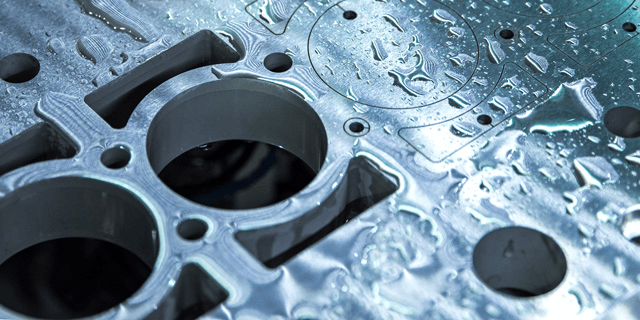
The authentic aluminum alloy composition used in rapid prototype aluminum casting provides unmatched material property replication that enables accurate performance validation and testing protocols. Unlike alternative prototyping methods that rely on substitute materials with different characteristics, rapid prototype aluminum casting utilizes the exact same aluminum alloys specified for production manufacturing. This material authenticity ensures that prototype testing results directly correlate with final product performance expectations, eliminating guesswork and uncertainty from the validation process. The comprehensive range of available aluminum alloys supports diverse application requirements, from lightweight aerospace components requiring high strength-to-weight ratios to corrosion-resistant marine applications demanding specific chemical properties. Each alloy option maintains its characteristic mechanical properties, thermal conductivity, electrical conductivity, and corrosion resistance throughout the rapid prototype aluminum casting process. This material consistency enables engineers to conduct meaningful stress analysis, fatigue testing, thermal cycling evaluations, and environmental exposure assessments with complete confidence in the relevance of results. Advanced metallurgical controls during rapid prototype aluminum casting ensure proper grain structure formation and optimal mechanical properties in finished prototypes. Temperature monitoring systems track aluminum melting and pouring parameters precisely, while controlled cooling protocols optimize solidification patterns for maximum strength and dimensional stability. Quality control procedures include comprehensive material testing using standardized ASTM methods to verify chemical composition, tensile strength, hardness, and other critical properties. The superior material properties achieved through rapid prototype aluminum casting enable realistic functional testing under actual operating conditions. Prototypes can withstand full operational loads, temperature extremes, and environmental exposures that closely simulate end-use applications. This capability provides invaluable insights into long-term durability, wear patterns, and failure modes that inform design improvements and manufacturing optimizations. Component integration testing becomes more meaningful when rapid prototype aluminum casting delivers parts with production-equivalent material properties. Assembly procedures, joint configurations, and interface designs can be evaluated thoroughly using prototypes that accurately represent final component behavior. The material authenticity also supports accurate cost modeling and manufacturing planning, as prototype material usage directly reflects production material requirements and processing considerations.



 EN
EN