casting china
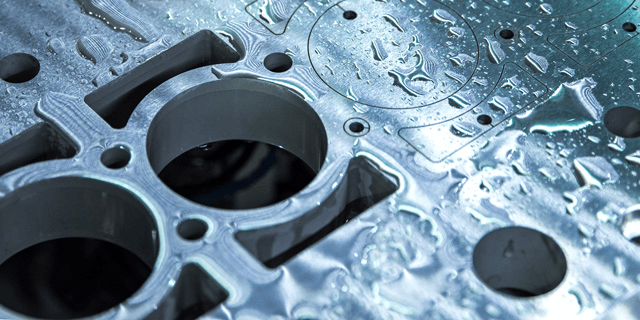
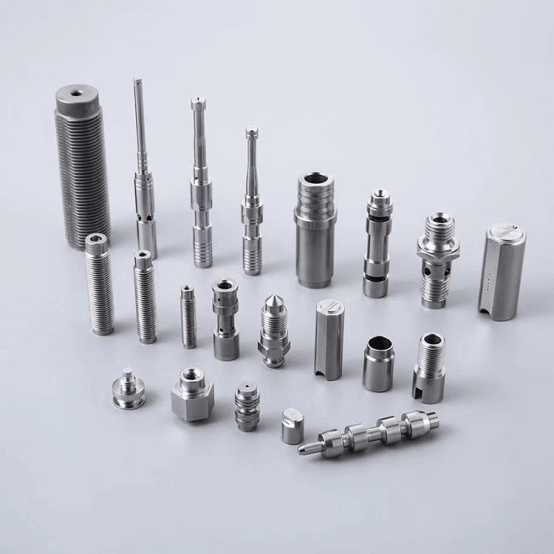
Casting china represents a sophisticated manufacturing process that combines traditional craftsmanship with modern industrial techniques to produce high-quality metal components and products. This advanced casting methodology originated from Chinese manufacturing expertise and has evolved into a globally recognized standard for precision metal fabrication. The casting china process involves melting metals at extremely high temperatures and pouring the molten material into carefully designed molds to create complex shapes and structures with exceptional accuracy. The main functions of casting china encompass producing intricate metal parts for automotive, aerospace, construction, and industrial machinery applications. This manufacturing approach excels at creating components that would be difficult or impossible to machine from solid metal blocks. The technological features of casting china include advanced temperature control systems, precision mold design capabilities, and quality assurance protocols that ensure consistent results across large production runs. Modern casting china facilities utilize computer-controlled furnaces, automated pouring systems, and sophisticated cooling mechanisms to maintain optimal conditions throughout the entire process. The applications of casting china span numerous industries, from creating engine blocks and transmission housings for vehicles to producing structural components for buildings and bridges. Manufacturing companies rely on casting china for producing everything from small decorative items to massive industrial machinery parts. The process accommodates various metals including aluminum, iron, steel, bronze, and specialized alloys depending on the specific requirements of each project. Quality control measures in casting china operations involve multiple inspection points, dimensional verification, and material testing to guarantee that finished products meet exact specifications and industry standards.



 EN
EN