Professional CNC Milling Services - Precision Machining Solutions for Complex Components

All Categories

machining services cnc milling

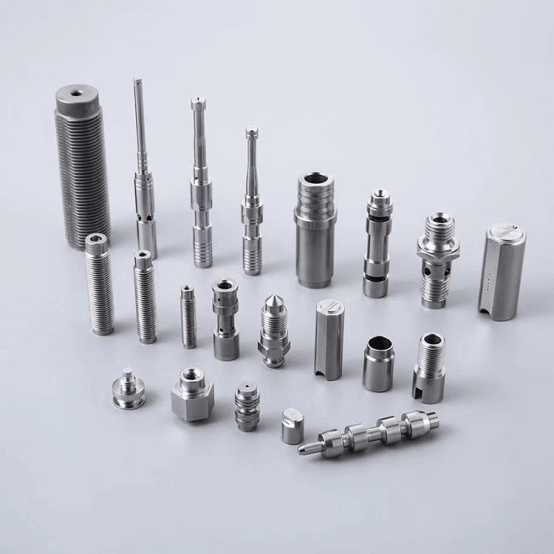
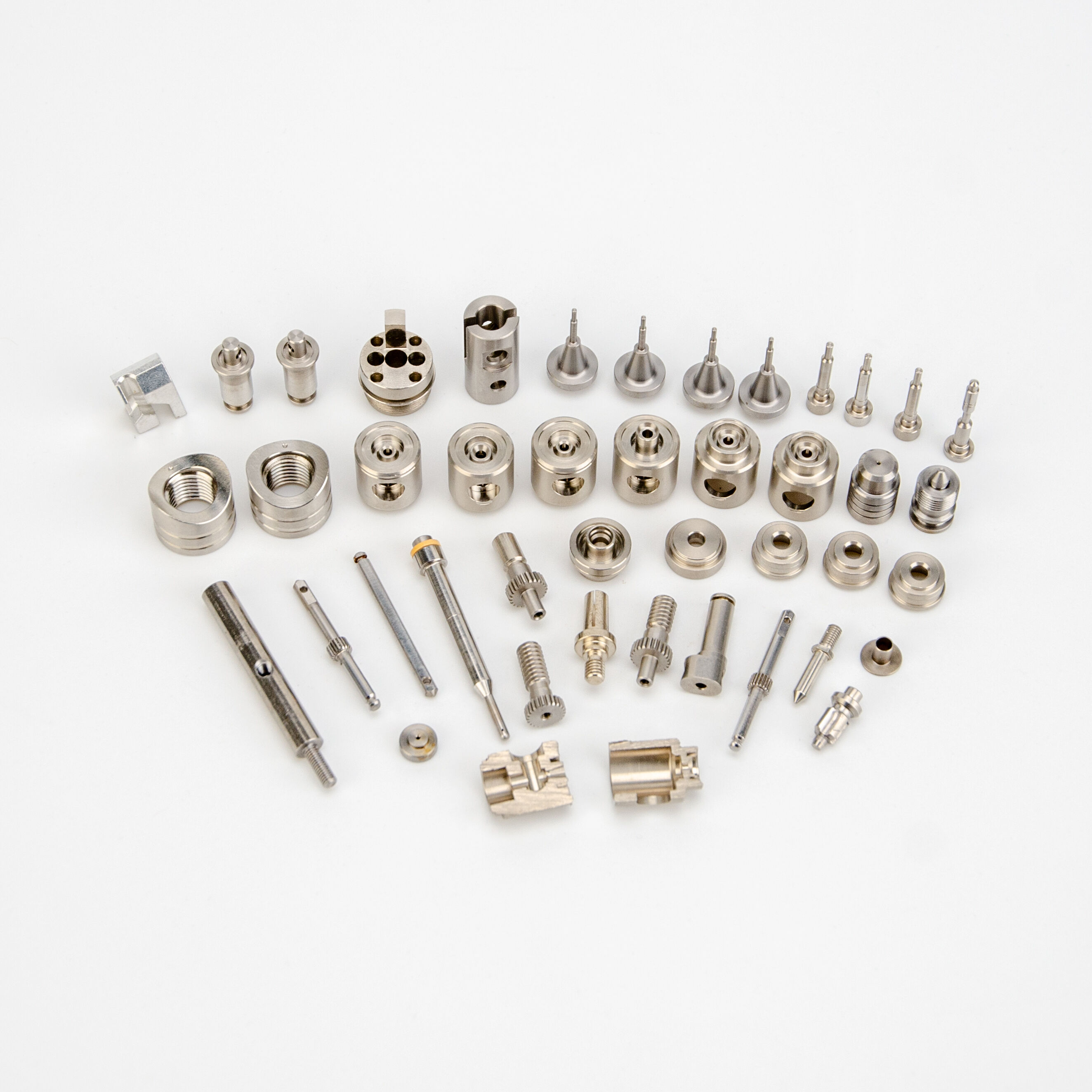
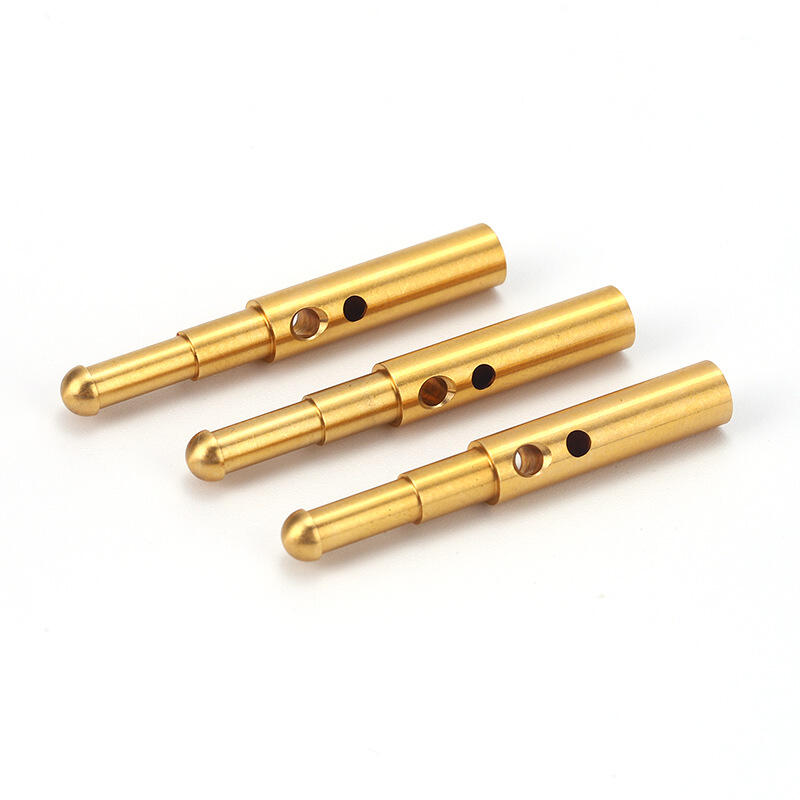
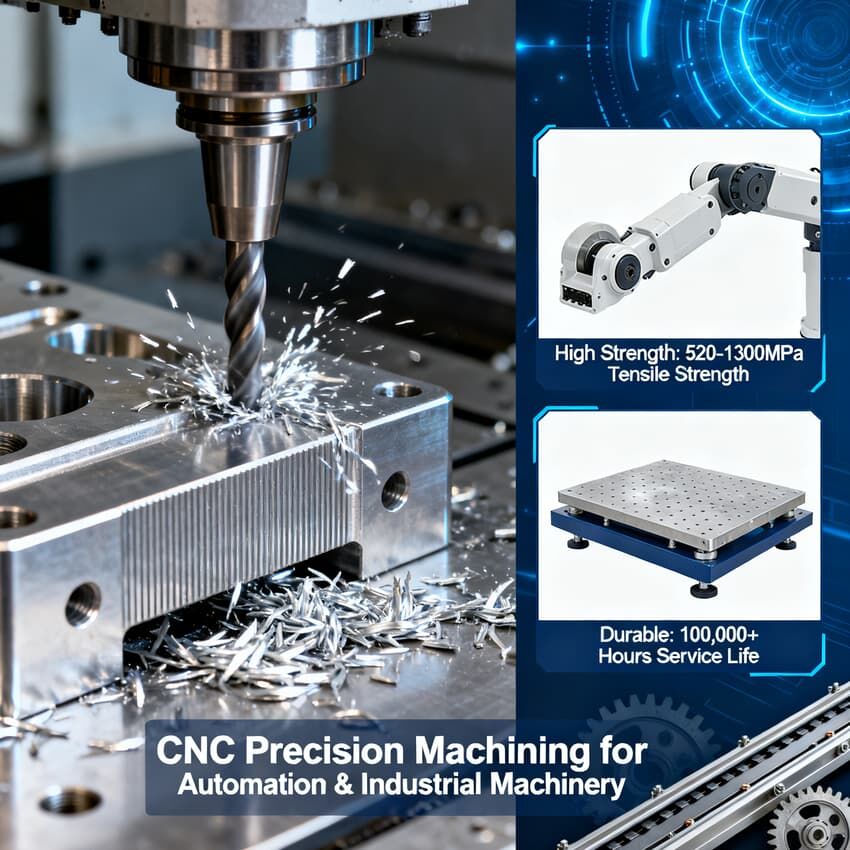
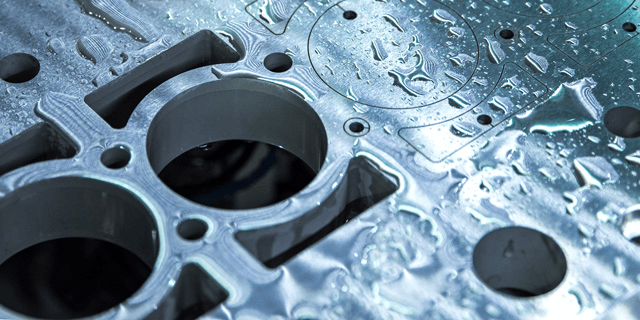
CNC milling represents one of the most versatile and precise machining services in modern manufacturing, utilizing computer-controlled cutting tools to remove material from workpieces with exceptional accuracy. This advanced manufacturing process combines traditional milling techniques with sophisticated computer numerical control technology, enabling manufacturers to produce complex parts with tight tolerances and superior surface finishes. The machining services CNC milling process involves rotating cutting tools that move along multiple axes to shape raw materials into finished components according to programmed specifications. The technology employs various cutting tools including end mills, face mills, and specialized cutters to perform different operations such as contouring, pocketing, drilling, and threading. Modern CNC milling machines feature multi-axis capabilities ranging from three-axis to five-axis configurations, allowing for intricate geometries and complex part orientations during production. The process begins with computer-aided design files that are converted into machine-readable code through CAM software, ensuring consistent reproduction of parts regardless of batch size. CNC milling machines can work with diverse materials including metals like aluminum, steel, titanium, and exotic alloys, as well as plastics, composites, and ceramics. The technological features of machining services CNC milling include automatic tool changing systems, coolant delivery mechanisms, and real-time monitoring capabilities that enhance productivity and quality control. Applications span across aerospace, automotive, medical device manufacturing, electronics, defense, and general industrial sectors where precision components are essential. The process excels in producing prototypes, small batch runs, and high-volume production with consistent quality standards throughout the manufacturing cycle.
New Product Recommendations

The machining services CNC milling offers numerous compelling advantages that make it an indispensable solution for manufacturers seeking precision, efficiency, and reliability. First and foremost, CNC milling delivers exceptional accuracy and repeatability, with tolerances achievable to within thousandths of an inch, ensuring every part meets exact specifications regardless of production volume. This precision eliminates costly rework and reduces material waste, directly impacting your bottom line through improved efficiency and cost savings. The automated nature of CNC milling significantly reduces human error while increasing production speed, allowing manufacturers to complete projects faster and meet tight deadlines without compromising quality. Unlike manual machining methods, CNC milling operates continuously with minimal supervision, maximizing productivity during both regular hours and overnight operations. The versatility of machining services CNC milling enables manufacturers to work with virtually any machinable material, from soft plastics to hardened steels and exotic alloys, providing flexibility to meet diverse project requirements without investing in multiple specialized processes. Cost-effectiveness becomes apparent through reduced labor costs, minimal setup time for repeat jobs, and the ability to produce complex geometries in a single setup that would otherwise require multiple operations and fixtures. CNC milling also offers superior surface finishes straight from the machine, often eliminating the need for secondary finishing operations and further reducing production time and costs. The technology supports rapid prototyping capabilities, allowing engineers and designers to quickly test and refine concepts before committing to full production runs. Quality consistency remains unmatched, as each part produced follows identical tool paths and cutting parameters, ensuring dimensional accuracy and surface quality remain constant throughout the entire production run. Additionally, CNC milling provides excellent scalability, easily transitioning from prototype quantities to high-volume production without significant process changes or additional tooling investments, making it an ideal solution for businesses experiencing growth or fluctuating demand.

Latest News

The cleaning of precision components is crucial to ensuring their smoothness and functionality.

29

Nov

The cleaning of precision components is crucial to ensuring their smoothness and functionality.

View More
Methods to Improve the Efficiency of Precision Component Processing

29

Nov

Methods to Improve the Efficiency of Precision Component Processing

View More
Kindness Warms the Heart, Responsibility in Action

29

Nov

Kindness Warms the Heart, Responsibility in Action

View More
Design Knowledge for Shaft Pin Components

29

Nov

Design Knowledge for Shaft Pin Components

View More

Get a Free Quote

Our representative will contact you soon.
Email
Name
Company Name
WhatsApp
Message
0/1000

machining services cnc milling

Unmatched Precision and Quality Control

Unmatched Precision and Quality Control

The precision capabilities of machining services CNC milling set the gold standard for manufacturing accuracy, delivering dimensional tolerances that consistently meet the most demanding specifications across industries. Modern CNC milling machines utilize advanced servo motors, precision ball screws, and linear encoders to achieve positioning accuracies measured in microns, ensuring every cut, hole, and surface meets exact dimensional requirements. This level of precision stems from the elimination of human variables through computer-controlled movements, where every tool path is calculated and executed with mathematical precision. The quality control advantages extend beyond simple dimensional accuracy to include consistent surface finishes, uniform material removal rates, and predictable tool wear patterns that maintain part quality throughout extended production runs. Advanced CNC milling systems incorporate real-time monitoring technology that continuously tracks cutting forces, spindle loads, and dimensional variations, automatically adjusting parameters to maintain optimal performance and prevent defects before they occur. The integration of in-process measurement systems allows for immediate verification of critical dimensions, enabling operators to make corrections without stopping production or scrapping parts. Temperature compensation systems account for thermal expansion and contraction of both the machine and workpiece, maintaining accuracy even during long production cycles or varying ambient conditions. Tool wear monitoring systems track cutting tool condition and automatically compensate for gradual wear, ensuring consistent part dimensions from the first piece to the last. The precision of machining services CNC milling also enables manufacturers to hold tighter tolerances on critical features while allowing looser tolerances on non-critical dimensions, optimizing both quality and cost-effectiveness. Statistical process control integration provides comprehensive documentation of quality metrics, supporting ISO certification requirements and providing traceability for regulated industries such as aerospace and medical device manufacturing.
Exceptional Versatility and Material Compatibility

Exceptional Versatility and Material Compatibility

The remarkable versatility of machining services CNC milling makes it the preferred choice for manufacturers working with diverse materials and complex part geometries across multiple industries. This adaptability stems from the wide range of cutting tools, spindle speeds, feed rates, and cutting strategies available to CNC programmers and machinists, allowing optimization for each specific material and application. CNC milling excels with ferrous materials including carbon steels, alloy steels, stainless steels, and tool steels, utilizing appropriate cutting speeds and coolant strategies to maximize tool life and surface quality. Non-ferrous metals such as aluminum, brass, copper, and titanium respond excellently to CNC milling operations, with specialized cutting tools and parameters designed to prevent material buildup and achieve superior finishes. Exotic materials including Inconel, Hastelloy, and other superalloys commonly used in aerospace applications can be effectively machined using advanced cutting tool materials and optimized machining strategies. The versatility extends to non-metallic materials including engineered plastics, composites, ceramics, and even wood materials, each requiring specific tooling and cutting parameters to achieve optimal results. Complex three-dimensional geometries, intricate internal cavities, and multi-level surfaces can be machined in single setups, reducing handling time and improving accuracy by eliminating multiple fixturing operations. The multi-axis capabilities of modern CNC milling machines enable the production of parts with undercuts, angled features, and complex contours that would be impossible or extremely difficult to achieve with conventional machining methods. Tool library systems allow for automatic tool changes during production, enabling the completion of complex parts requiring multiple cutting operations without manual intervention. Machining services CNC milling accommodates parts ranging from miniature components weighing ounces to large structural elements weighing thousands of pounds, providing scalability across diverse applications and industries.
Superior Production Efficiency and Cost Effectiveness

Superior Production Efficiency and Cost Effectiveness

The production efficiency and cost-effectiveness of machining services CNC milling deliver substantial competitive advantages that directly impact manufacturing profitability and market responsiveness. Automated operation capabilities allow CNC milling machines to run unattended for extended periods, maximizing productive hours and enabling around-the-clock production when necessary to meet demanding delivery schedules. Setup time optimization through stored programs, standardized tooling, and quick-change fixturing systems significantly reduces the time required to transition between different parts or production runs. The repeatability of CNC programs eliminates the learning curve associated with manual machining, ensuring consistent cycle times and predictable production schedules regardless of operator experience or shift changes. Advanced CAM software integration streamlines the programming process, automatically generating optimized tool paths that minimize machining time while maximizing tool life and surface quality. Waste reduction occurs through precise material removal calculations that minimize excess stock allowances and optimize nesting patterns for maximum material utilization. Labor cost savings result from reduced operator involvement per part, allowing skilled machinists to oversee multiple machines simultaneously while maintaining quality standards. Energy efficiency improvements come from optimized cutting parameters that balance productivity with power consumption, reducing operational costs while maintaining environmental responsibility. Inventory reduction benefits emerge from the ability to produce parts on-demand rather than maintaining large stockpiles, freeing up working capital and reducing storage costs. The scalability of machining services CNC milling enables manufacturers to efficiently handle both prototype quantities and high-volume production runs using the same equipment and processes, providing flexibility to respond to changing market demands. Quality cost savings result from reduced inspection requirements, lower scrap rates, and elimination of rework operations that are common with less precise manufacturing methods. Overall equipment effectiveness improvements come from predictable maintenance schedules, reduced downtime, and consistent performance that enables accurate production planning and delivery commitments.