Low Volume CNC Machining: Precision Manufacturing Solutions for Small Production Runs

All Categories

low volume cnc machining

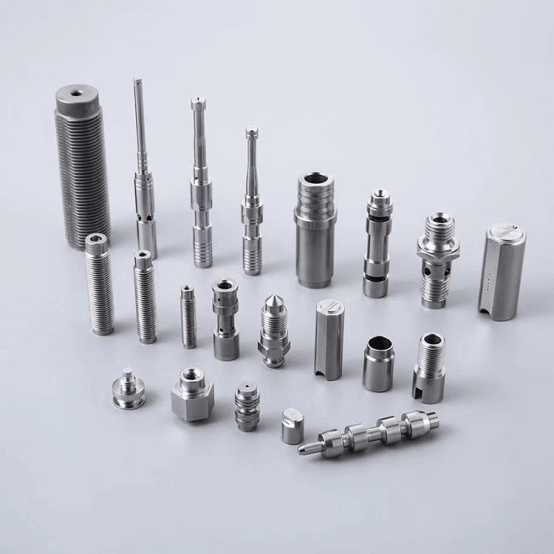
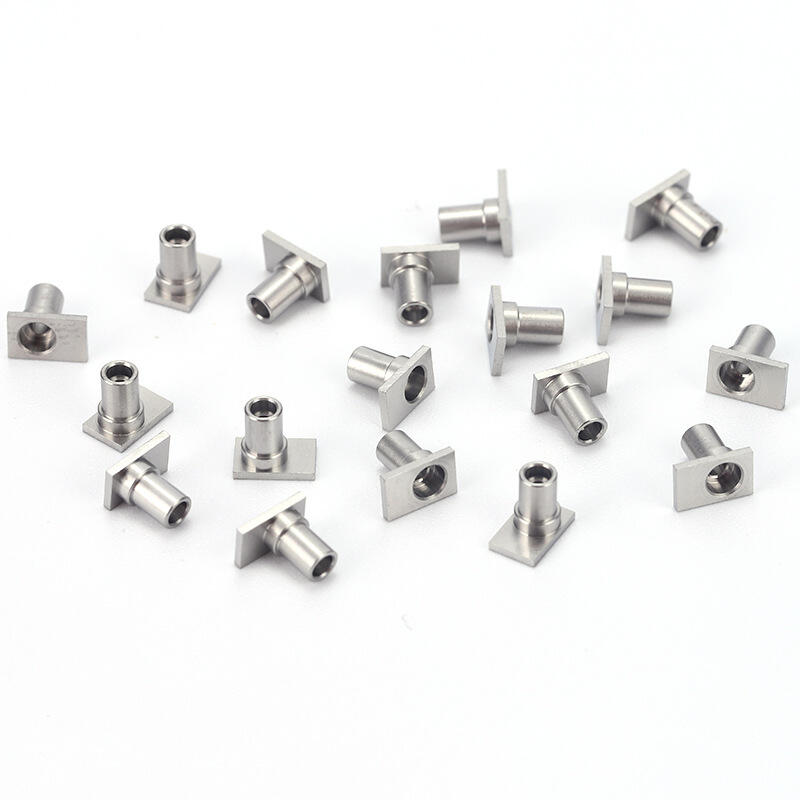
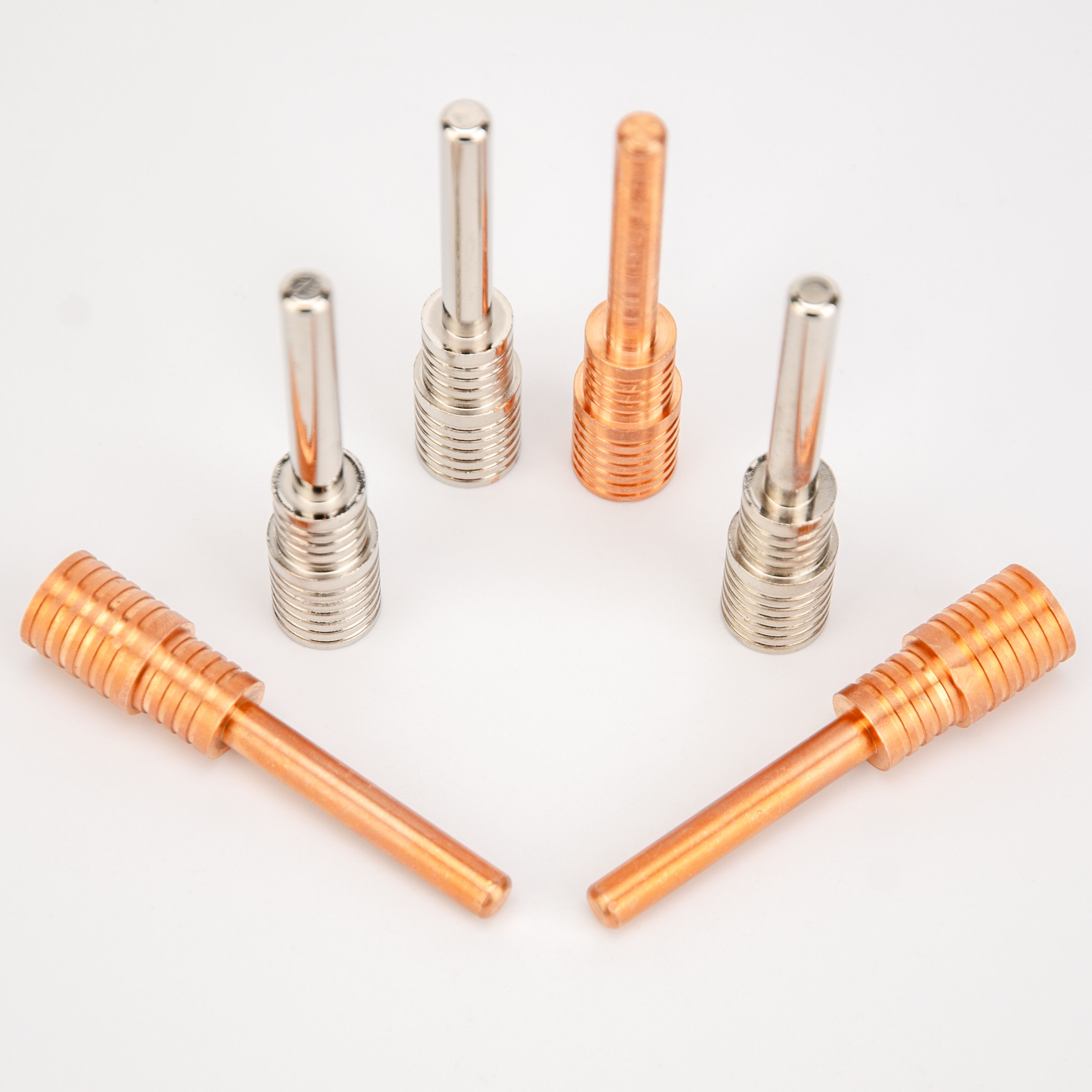
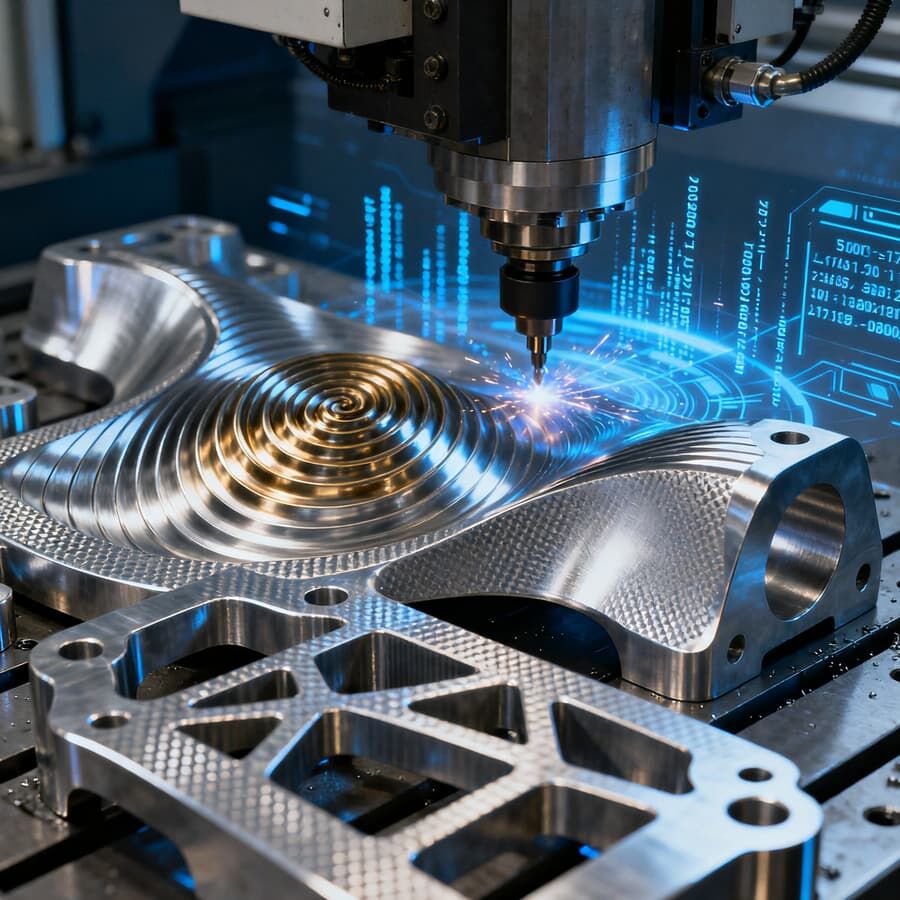
Low volume CNC machining represents a specialized manufacturing approach designed to produce high-quality precision components in smaller quantities, typically ranging from one to several hundred pieces. This manufacturing method leverages computer numerical control technology to create complex parts with exceptional accuracy and consistency, making it ideal for prototyping, custom manufacturing, and specialized production runs. The process utilizes advanced CNC machines equipped with sophisticated software that interprets digital designs and translates them into precise tool movements, enabling the creation of intricate geometries that would be challenging or impossible to achieve through traditional manufacturing methods. Low volume CNC machining serves as a bridge between prototype development and full-scale production, offering manufacturers the flexibility to test designs, validate concepts, and produce limited quantities without the substantial investment required for high-volume tooling. The technological features of low volume CNC machining include multi-axis capabilities, allowing for complex part geometries to be machined in a single setup, reducing handling time and improving dimensional accuracy. Modern CNC systems incorporate advanced features such as adaptive machining strategies, real-time monitoring, and automated tool changing systems that enhance efficiency and reduce production time. The process accommodates a wide range of materials, including metals, plastics, composites, and exotic alloys, providing versatility for diverse applications across multiple industries. Applications span numerous sectors, from aerospace and automotive to medical devices and electronics, where precision, quality, and customization are paramount. In the aerospace industry, low volume CNC machining produces critical components such as engine parts, brackets, and structural elements that require strict adherence to specifications and materials standards. The medical device sector relies on this manufacturing method for creating surgical instruments, implants, and diagnostic equipment components that demand biocompatibility and precise tolerances. Electronics manufacturers utilize low volume CNC machining for producing enclosures, heat sinks, and connector components that require exact dimensions and surface finishes.

Popular Products

Low volume CNC machining offers numerous compelling advantages that make it an attractive manufacturing solution for businesses seeking precision, flexibility, and cost-effectiveness. The primary benefit lies in its exceptional cost efficiency for small production runs, eliminating the need for expensive tooling and molds typically required in traditional manufacturing processes. This advantage allows companies to produce custom parts without significant upfront investments, making it financially viable to manufacture specialized components or test market demand before committing to larger production volumes. The flexibility inherent in low volume CNC machining enables rapid design modifications and iterations, allowing engineers to refine their designs based on testing results or changing requirements without incurring substantial additional costs. This adaptability proves invaluable during product development phases, where multiple design iterations are common and necessary for achieving optimal performance. Quality consistency represents another significant advantage, as CNC machines operate with remarkable precision and repeatability, ensuring that each part meets exact specifications regardless of production volume. The automated nature of CNC machining reduces human error and maintains consistent quality standards throughout the production run, resulting in parts that meet stringent tolerance requirements and performance criteria. Speed to market becomes a crucial competitive advantage through low volume CNC machining, as the process can begin production immediately after design finalization without waiting for tooling fabrication or setup procedures required in other manufacturing methods. This rapid turnaround capability enables companies to respond quickly to market opportunities, customer demands, or urgent replacement part needs. Material versatility expands design possibilities significantly, as low volume CNC machining can work with virtually any machinable material, from common metals and plastics to exotic alloys and specialty composites. This flexibility allows engineers to select optimal materials for specific applications without being constrained by manufacturing limitations. The precision achievable through low volume CNC machining often exceeds that of other manufacturing methods, with tolerances as tight as ±0.001 inches commonly achievable, making it suitable for applications requiring exact dimensional accuracy. Risk mitigation becomes another valuable advantage, as companies can validate designs and test market acceptance through small production runs before investing in high-volume manufacturing infrastructure. This approach reduces financial exposure and allows for data-driven decisions regarding larger production commitments. Supply chain independence emerges as a strategic benefit, as companies can maintain control over critical component production rather than relying on external suppliers who may have minimum order requirements or long lead times that conflict with business needs.

Practical Tips

The cleaning of precision components is crucial to ensuring their smoothness and functionality.

29

Nov

The cleaning of precision components is crucial to ensuring their smoothness and functionality.

View More
Methods to Improve the Efficiency of Precision Component Processing

29

Nov

Methods to Improve the Efficiency of Precision Component Processing

View More
Kindness Warms the Heart, Responsibility in Action

29

Nov

Kindness Warms the Heart, Responsibility in Action

View More
Design Knowledge for Shaft Pin Components

29

Nov

Design Knowledge for Shaft Pin Components

View More

Get a Free Quote

Our representative will contact you soon.
Email
Name
Company Name
WhatsApp
Message
0/1000

low volume cnc machining

Unmatched Precision and Quality Control

Unmatched Precision and Quality Control

Low volume CNC machining delivers unprecedented precision levels that set it apart from alternative manufacturing methods, making it the preferred choice for applications where dimensional accuracy and surface quality are non-negotiable. The computer-controlled nature of CNC machines eliminates human variability from the manufacturing process, ensuring consistent results across every part produced regardless of batch size. Modern CNC systems achieve tolerances as tight as ±0.0005 inches, with some specialized machines capable of even tighter specifications, enabling the production of components that meet the most demanding engineering requirements. This precision capability extends beyond simple dimensional accuracy to include complex geometric features, intricate internal passages, and precise surface finishes that are critical for proper component function. The quality control advantages of low volume CNC machining stem from its ability to maintain these tight tolerances throughout the entire production run, unlike manual machining processes where operator fatigue or skill variations can introduce inconsistencies. Advanced CNC systems incorporate real-time monitoring capabilities that continuously verify dimensions and surface quality during the machining process, automatically making micro-adjustments to compensate for tool wear or thermal effects that could compromise accuracy. This continuous monitoring ensures that the first part and the last part in a production run meet identical quality standards, providing confidence in component performance and reliability. The precision benefits extend to repeatability, where identical parts can be produced months or years later with the same exact specifications, ensuring consistency for replacement parts or additional production runs. Surface finish quality achieved through low volume CNC machining often eliminates the need for secondary finishing operations, reducing overall production time and costs while maintaining superior aesthetic and functional properties. The ability to achieve mirror-like finishes, precise textures, or specific surface roughness values directly from the machining process adds significant value for applications where surface characteristics affect performance, such as fluid flow components or optical elements. Quality documentation capabilities inherent in CNC systems provide complete traceability for each part produced, including machining parameters, tool usage, and dimensional verification data, which proves invaluable for industries with strict quality requirements such as aerospace, medical devices, and automotive applications. This comprehensive quality control framework ensures that low volume CNC machining consistently delivers components that exceed customer expectations while meeting all relevant industry standards and specifications.
Exceptional Design Flexibility and Rapid Prototyping

Exceptional Design Flexibility and Rapid Prototyping

Low volume CNC machining provides unparalleled design flexibility that empowers engineers and designers to create complex geometries and innovative solutions without the constraints typically imposed by traditional manufacturing methods. This flexibility stems from the multi-axis capabilities of modern CNC machines, which can approach workpieces from multiple angles and orientations, enabling the creation of intricate features, undercuts, and internal passages that would be impossible or prohibitively expensive to produce using conventional methods. The programming flexibility inherent in CNC systems allows for rapid implementation of design changes, where modifications can be incorporated into the machining program within hours rather than the weeks or months required for tooling changes in other manufacturing processes. This agility proves invaluable during product development phases, where iterative design improvements are essential for optimizing performance, functionality, and manufacturability. Engineers can test multiple design variations quickly and cost-effectively, comparing performance characteristics and selecting optimal configurations based on actual testing data rather than theoretical predictions. The rapid prototyping capabilities of low volume CNC machining extend beyond simple shape creation to include functional testing of materials, surface treatments, and assembly interfaces, providing comprehensive validation of design concepts before committing to production tooling or high-volume manufacturing. Complex assemblies can be prototyped with precise fits and interfaces, allowing for thorough evaluation of assembly procedures, tolerance stack-ups, and functional performance under realistic operating conditions. The ability to machine functional prototypes from production materials provides accurate representation of final part properties, including mechanical strength, thermal characteristics, and chemical resistance, ensuring that prototype testing results accurately predict production part performance. Design optimization becomes more accessible through low volume CNC machining, as engineers can easily implement weight reduction features, stress concentration minimization, and performance enhancement modifications without significant cost penalties. The process accommodates design features that leverage the strengths of CNC machining, such as internal cooling channels, integrated mounting features, and optimized material distribution that can improve performance while reducing weight and material usage. Customization capabilities enable the creation of application-specific solutions that address unique customer requirements or operating conditions, providing competitive advantages through tailored performance characteristics. The flexibility to combine multiple manufacturing operations in a single setup reduces part complexity, improves accuracy, and eliminates potential assembly errors while maintaining design intent and functionality. This comprehensive design flexibility makes low volume CNC machining an ideal choice for innovative companies seeking to push the boundaries of what is possible in component design and manufacturing.
Cost-Effective Solution for Small to Medium Production Runs

Cost-Effective Solution for Small to Medium Production Runs

Low volume CNC machining represents the most economically viable manufacturing solution for small to medium production runs, offering significant cost advantages over alternative methods while maintaining superior quality and precision standards. The cost-effectiveness stems from the elimination of expensive tooling requirements that typically represent substantial upfront investments in traditional manufacturing processes, allowing companies to begin production immediately without waiting for tool design, fabrication, and validation phases. This immediate production capability translates directly into faster time-to-market and improved cash flow, as revenue generation can begin weeks or months earlier than with tooling-dependent processes. The economic model of low volume CNC machining scales favorably with production volumes between one and several thousand pieces, where the per-part cost remains competitive while providing flexibility for volume adjustments based on actual demand rather than predetermined minimum quantities. Setup costs for CNC machining remain relatively fixed regardless of batch size, making small production runs economically feasible and allowing companies to match production closely with actual market demand, reducing inventory carrying costs and obsolescence risks. Material utilization efficiency in CNC machining maximizes value extraction from raw materials through optimized nesting strategies, minimal waste generation, and the ability to use near-net-shape stock materials that reduce machining time and material costs. The process eliminates many secondary operations typically required in other manufacturing methods, such as deburring, finishing, or assembly operations, reducing overall production costs and lead times while improving quality consistency. Labor costs remain predictable and controlled in CNC machining operations, as the automated nature of the process reduces direct labor requirements and minimizes the impact of skilled labor availability or wage fluctuations on production costs. Quality-related cost savings emerge from the consistently high precision and reliability of CNC machining, which reduces scrap rates, rework requirements, and customer returns that can significantly impact profitability in other manufacturing processes. The ability to produce parts on-demand reduces inventory carrying costs, storage requirements, and working capital tied up in finished goods inventory, improving overall financial efficiency. Risk mitigation through smaller production batches allows companies to test market acceptance, validate designs, and adjust production volumes based on actual demand data rather than forecasts, reducing the financial impact of market uncertainties or design changes. Supply chain cost advantages include reduced dependence on external suppliers, elimination of minimum order quantity constraints, and improved control over production scheduling that can reduce expediting costs and delivery delays. The transparent cost structure of low volume CNC machining enables accurate project budgeting and cost prediction, allowing for better financial planning and more competitive pricing strategies that enhance market competitiveness while maintaining healthy profit margins throughout the product lifecycle.