CNC Machining Prototyping Services - Precision, Speed & Material Versatility for Product Development

All Categories

cnc machining prototyping

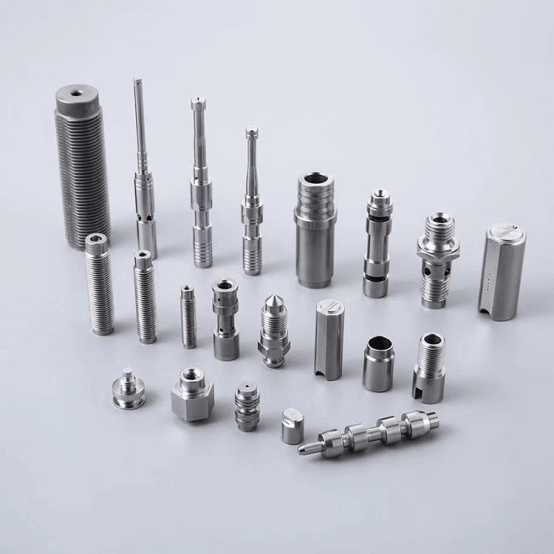
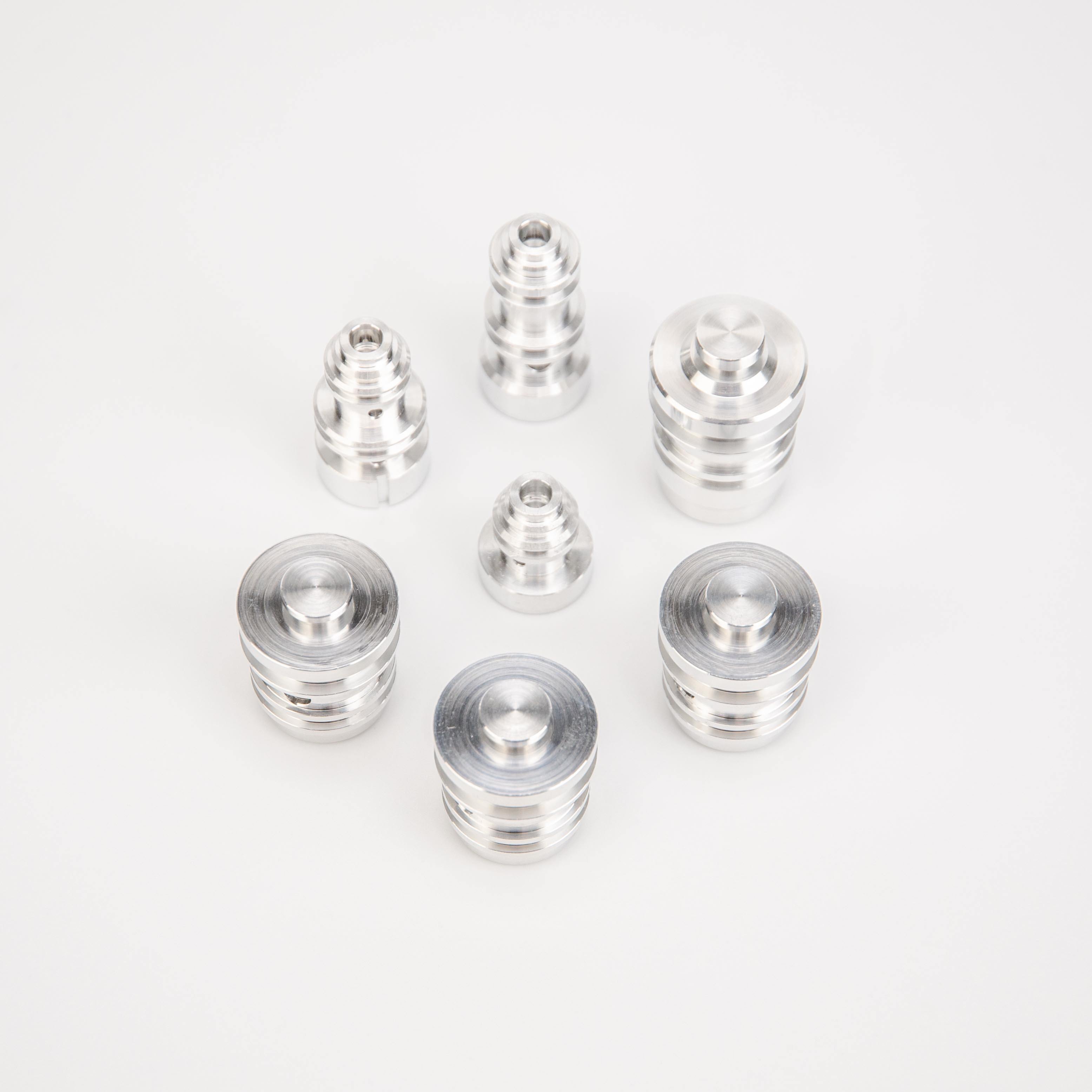
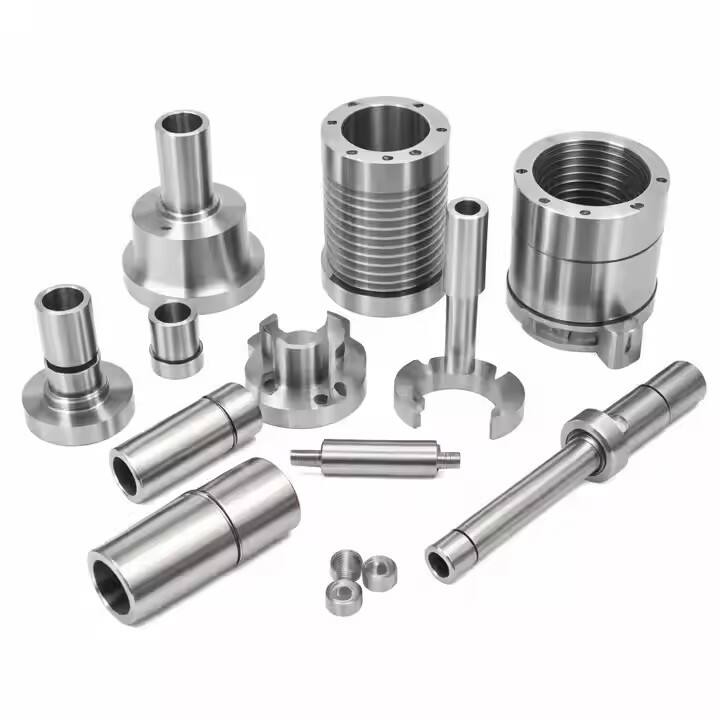
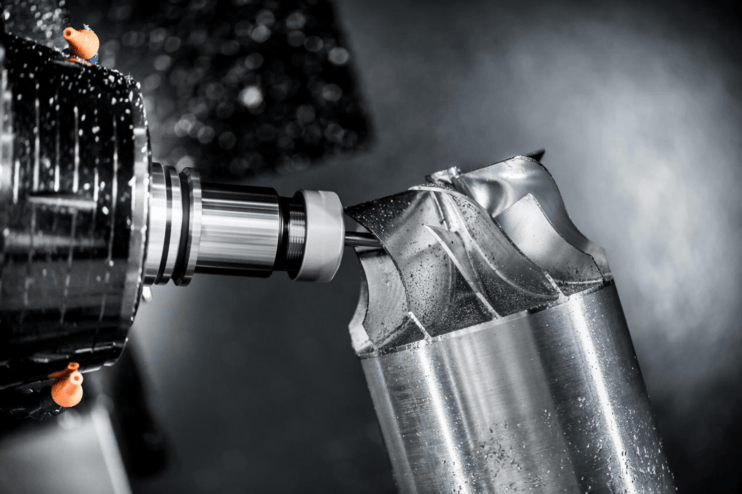
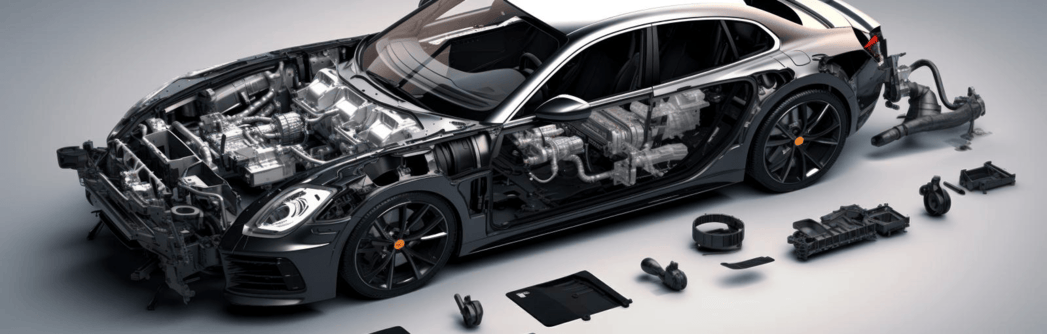
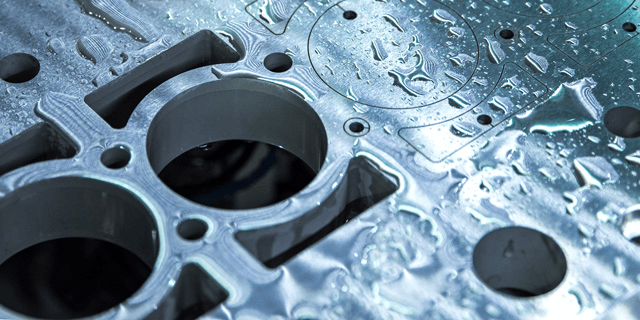
CNC machining prototyping represents a revolutionary manufacturing process that transforms digital designs into physical prototypes with exceptional precision and speed. This advanced technology utilizes computer numerical control systems to guide cutting tools along predetermined paths, creating highly accurate prototypes from various materials including metals, plastics, and composites. The main functions of cnc machining prototyping encompass rapid prototype development, design validation, functional testing, and small-batch production runs. This sophisticated process begins with computer-aided design files that are converted into machine-readable instructions, enabling automated tool movements that shape raw materials into finished prototypes. The technological features of cnc machining prototyping include multi-axis capabilities, allowing complex geometries and intricate details that would be impossible through traditional manufacturing methods. Modern CNC machines can operate on three, four, or five axes simultaneously, providing unprecedented flexibility in prototype creation. The precision levels achievable through cnc machining prototyping typically range from 0.001 to 0.005 inches, ensuring that prototypes match design specifications exactly. Applications span across numerous industries including aerospace, automotive, medical devices, consumer electronics, and industrial equipment manufacturing. In aerospace applications, cnc machining prototyping creates critical components for testing aerodynamic properties and structural integrity. The automotive industry relies on this technology for developing engine components, transmission parts, and safety systems. Medical device manufacturers utilize cnc machining prototyping to create surgical instruments, implants, and diagnostic equipment that require biocompatible materials and extreme precision. Consumer electronics companies depend on this process for creating housings, connectors, and internal components that must fit perfectly within compact designs. The versatility of cnc machining prototyping extends to working with diverse materials, from aluminum and steel to titanium and exotic alloys, making it suitable for prototypes that closely simulate final production materials and properties.
New Product Releases

The advantages of cnc machining prototyping deliver substantial value to businesses seeking efficient product development solutions. Speed emerges as a primary benefit, with most prototypes completed within days rather than weeks required by traditional methods. This rapid turnaround accelerates product development cycles, allowing companies to test multiple design iterations quickly and bring products to market faster. Cost-effectiveness represents another significant advantage, particularly for complex geometries that would require expensive tooling in conventional manufacturing. CNC machining prototyping eliminates the need for custom molds or dies, reducing upfront costs and making it economical for low-volume production runs. The exceptional accuracy achieved through cnc machining prototyping ensures that prototypes faithfully represent final product specifications, enabling reliable testing and validation. This precision reduces the risk of costly design errors and manufacturing issues in later production stages. Material versatility stands out as a crucial advantage, allowing engineers to prototype using the same materials intended for final production. This capability provides authentic performance data during testing phases, leading to more informed design decisions. The repeatability of cnc machining prototyping ensures consistent results across multiple prototype iterations, facilitating systematic testing and comparison. Design flexibility allows for easy modifications without significant time delays or cost penalties, supporting iterative development processes that optimize product performance. Quality control benefits include dimensional accuracy verification and surface finish consistency, critical factors for prototypes requiring precise fit and function. The scalability of cnc machining prototyping enables seamless transition from single prototypes to small production runs, providing valuable insights into manufacturing feasibility. Risk reduction occurs through early detection of design flaws and manufacturing challenges, preventing expensive corrections during full-scale production. Documentation capabilities built into CNC systems create detailed records of machining parameters, supporting quality assurance and future reproduction requirements. Environmental advantages include minimal waste generation compared to subtractive manufacturing methods, as CNC machining produces precise cuts that maximize material utilization. The competitive advantage gained through faster prototype development allows companies to respond quickly to market demands and stay ahead of competitors who rely on slower prototyping methods.

Practical Tips

The cleaning of precision components is crucial to ensuring their smoothness and functionality.

29

Nov

The cleaning of precision components is crucial to ensuring their smoothness and functionality.

View More
Methods to Improve the Efficiency of Precision Component Processing

29

Nov

Methods to Improve the Efficiency of Precision Component Processing

View More
Kindness Warms the Heart, Responsibility in Action

29

Nov

Kindness Warms the Heart, Responsibility in Action

View More
Design Knowledge for Shaft Pin Components

29

Nov

Design Knowledge for Shaft Pin Components

View More

Get a Free Quote

Our representative will contact you soon.
Email
Name
Company Name
WhatsApp
Message
0/1000

cnc machining prototyping

Unmatched Precision and Accuracy for Critical Applications

Unmatched Precision and Accuracy for Critical Applications

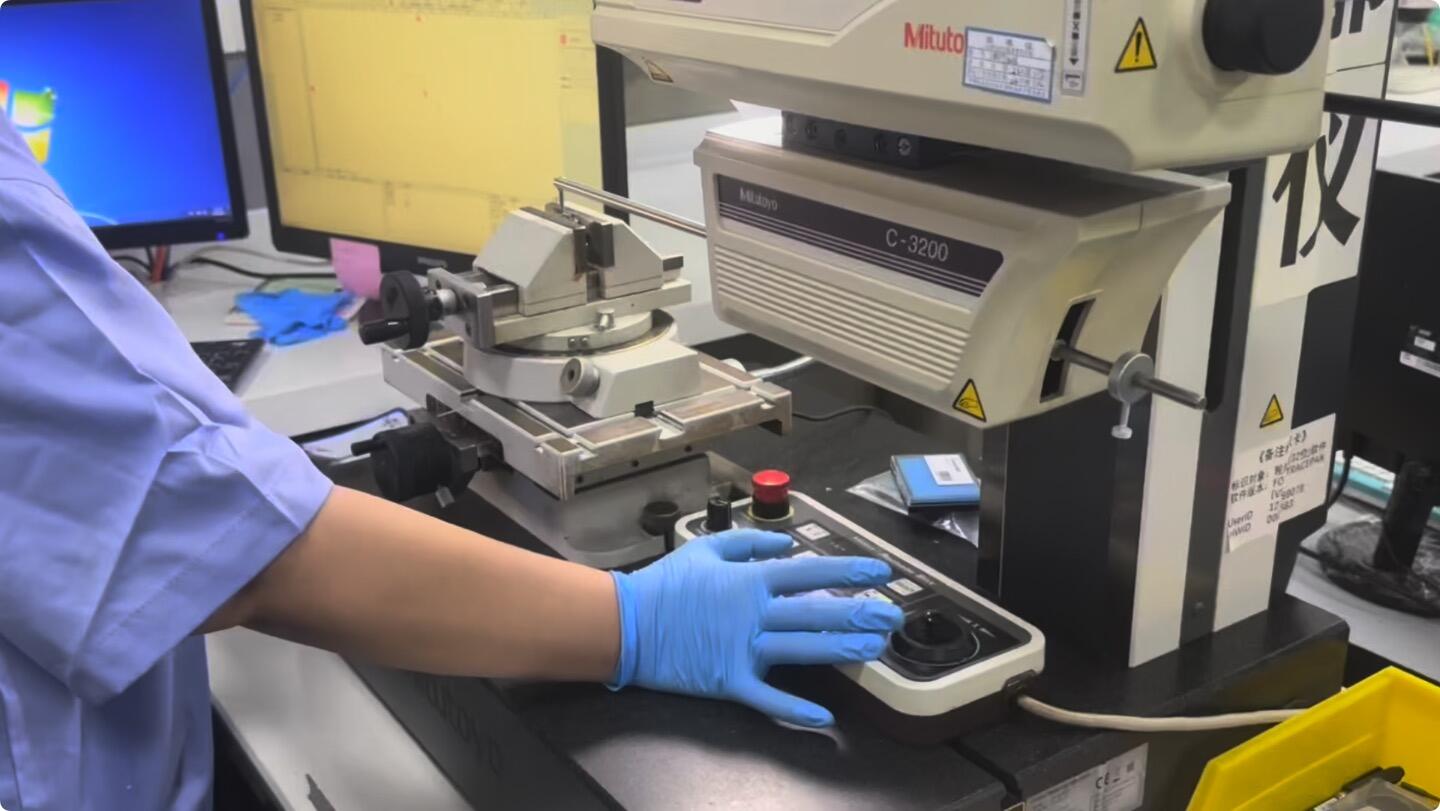
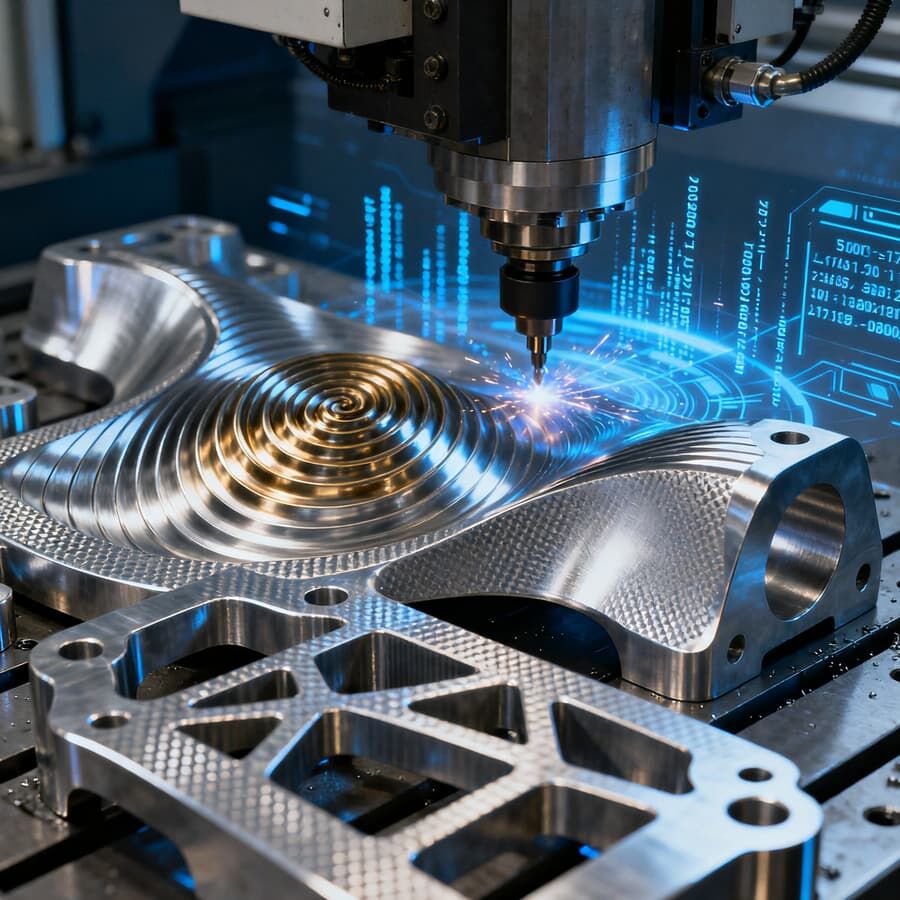
The precision capabilities of cnc machining prototyping set new standards for prototype accuracy, delivering dimensional tolerances that rival production-grade manufacturing processes. This exceptional precision stems from advanced servo motor systems, high-resolution encoders, and sophisticated feedback mechanisms that continuously monitor and adjust tool positions throughout the machining process. The technology achieves tolerances as tight as ±0.0005 inches, making it ideal for applications where exact specifications are non-negotiable. Medical device prototyping particularly benefits from this precision, as components like surgical instruments and implant parts require exacting standards for patient safety and regulatory compliance. Aerospace prototypes demand similar accuracy levels for components that must withstand extreme conditions while maintaining precise fit and function within complex assemblies. The repeatability of cnc machining prototyping ensures that multiple prototypes maintain identical specifications, crucial for comparative testing and validation studies. Temperature compensation systems account for thermal expansion during extended machining operations, maintaining accuracy even during long production runs. Advanced metrology integration allows real-time measurement and adjustment, catching potential deviations before they affect final dimensions. Surface finish quality achieved through cnc machining prototyping often eliminates the need for secondary operations, saving time and maintaining geometric integrity. The precision extends beyond dimensional accuracy to include consistent surface textures, proper edge breaks, and uniform material removal patterns. Tool path optimization algorithms minimize vibration and chatter, contributing to superior surface finishes and extended tool life. Multi-axis capabilities enable complex contours and compound angles with single-setup accuracy, eliminating cumulative errors associated with multiple fixturing operations. Quality documentation systems record all dimensional data, providing traceability and supporting certification requirements for regulated industries. This level of precision translates directly into prototype performance that accurately reflects final product behavior, enabling confident design decisions and reducing development risks.
Rapid Turnaround Times for Accelerated Development Cycles

Rapid Turnaround Times for Accelerated Development Cycles

The speed advantage of cnc machining prototyping revolutionizes product development timelines, transforming weeks-long processes into days-long operations that keep pace with modern market demands. This acceleration stems from automated setup procedures, optimized tool paths, and continuous operation capabilities that maximize machine utilization. Unlike traditional prototyping methods requiring extensive manual setup and multiple process steps, cnc machining prototyping operates from digital files with minimal human intervention, eliminating bottlenecks and reducing lead times significantly. The technology supports 24-hour operation schedules, allowing prototypes to be completed overnight or over weekends, further compressing development schedules. Rapid tool changing systems minimize downtime between operations, while advanced programming software generates efficient machining strategies that balance speed with quality requirements. Material availability advantages emerge from the broad compatibility of cnc machining prototyping with standard stock materials, eliminating delays associated with custom material preparation or special ordering requirements. Design iteration cycles benefit enormously from this speed, as engineers can test multiple concepts rapidly, incorporating lessons learned from each prototype into subsequent designs. The quick turnaround enables agile development methodologies where feedback loops are shortened, and design optimization occurs through rapid prototyping cycles rather than extensive computer modeling alone. Customer engagement improves when physical prototypes are available quickly for evaluation and feedback, leading to better final products that meet market needs more precisely. Competitive advantages multiply when companies can respond rapidly to market opportunities, customer requests, or emerging technologies through fast prototype development. Supply chain benefits include reduced inventory requirements for prototype materials and components, as items can be produced on-demand rather than stockpiled in anticipation of needs. Risk mitigation occurs through early problem identification, as rapid prototyping allows multiple design approaches to be evaluated quickly, identifying optimal solutions before committing to expensive tooling or production setup. The speed of cnc machining prototyping also supports concurrent engineering practices where multiple development teams can work with physical prototypes simultaneously, accelerating overall project timelines and improving collaboration between engineering disciplines.
Material Versatility Enabling Authentic Performance Testing

Material Versatility Enabling Authentic Performance Testing

The material versatility of cnc machining prototyping opens unprecedented opportunities for creating prototypes that authentically represent final product performance characteristics across diverse applications and industries. This capability extends far beyond basic plastics and aluminum, encompassing advanced aerospace alloys, medical-grade titanium, hardened steels, exotic composites, and specialized materials that closely match intended production specifications. The significance of this versatility becomes apparent when considering that prototype testing results directly influence design decisions and product specifications, making material authenticity crucial for reliable development outcomes. Aerospace applications benefit tremendously from the ability to prototype using actual flight-grade materials like titanium alloys, Inconel, and carbon fiber composites, ensuring that test results accurately predict performance under actual operating conditions including extreme temperatures, pressure differentials, and mechanical stresses. Medical device development relies on biocompatible materials such as surgical stainless steel, titanium alloys, and specialized polymers that must demonstrate safety and effectiveness in biological environments. The machining capabilities extend to challenging materials including hardened tool steels, ceramic-filled plastics, and fiber-reinforced composites that require specialized cutting strategies and tooling approaches. Advanced programming techniques optimize cutting parameters for each material type, ensuring proper chip formation, heat management, and surface finish while maintaining dimensional accuracy throughout the process. The economic benefits of material versatility include reduced prototype costs through elimination of material substitutions and associated performance uncertainty, while enabling more confident scaling to production volumes. Testing authenticity improves dramatically when prototypes use identical materials to production parts, providing genuine performance data for mechanical properties, thermal behavior, chemical resistance, and long-term durability characteristics. Design optimization benefits from authentic material behavior during testing, allowing engineers to fine-tune designs based on actual material properties rather than theoretical approximations or substitute material performance. Quality assurance processes gain reliability when prototype testing uses production-equivalent materials, supporting more accurate validation of design specifications and performance requirements. The material versatility also enables hybrid prototypes combining multiple materials in single assemblies, testing interface compatibility and joint performance under realistic conditions that influence final product reliability and performance characteristics.